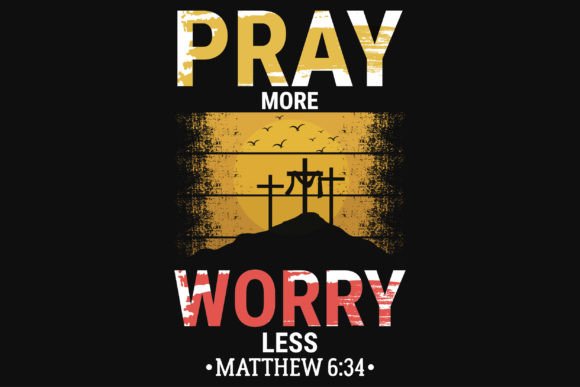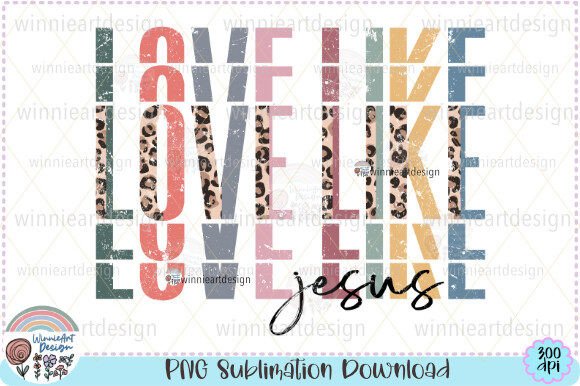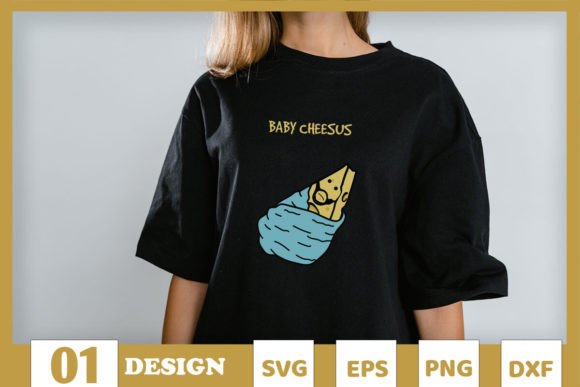
This Boy Runs on Jesus and Video Games T‑Shirt Designs Review
When I first opened This Boy Runs on Jesus and Video Games as a graphic design asset, I immediately recognized the kind of niche it fills. It is not trying to appeal to everyone, and that is exactly why it works so well for a targeted online shop. The title alone signals a clear audience: faith‑driven families with kids who love gaming culture. The mood strikes a balance between playful, bold, and modern with a handmade feel that reads as authentic rather than overly polished. If you sell on Etsy, run a print‑on‑demand store, or create digital downloads for Creative Fabrica or Design Bundles, this asset opens up a specific buyer segment that is often underserved.
First Impressions and the Buyer It Attracts
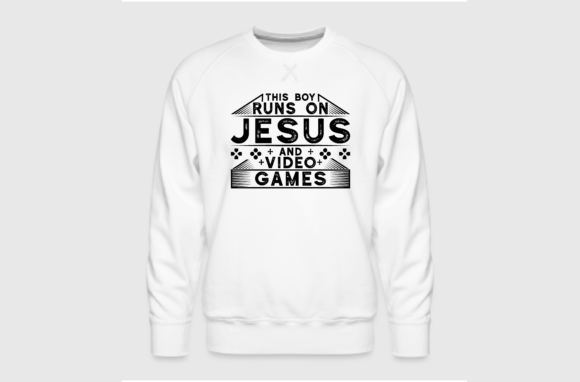
The asset carries a visual personality that feels both energetic and sincere. The lettering style leans toward a contemporary display look, almost as if it were drawn for a sticker or a shirt graphic. It is not overly ornate, which helps it keep a strong silhouette for cutting and printing. The phrase itself resonates with parents and gift buyers who want something that reflects both faith and everyday hobbies without being preachy. I see this attracting buyers shopping for birthday gifts, back‑to‑school bundles, or just a fun piece of merchandise for a young gamer. The emotional hook is relatable: a boy who loves Jesus and loves video games, and the two are not in conflict.
From a commercial design standpoint, this asset is ready to be used across multiple product lines. It is not a complex illustration; it is a statement graphic that can stand alone or pair with other elements. That simplicity reduces production risk and makes it easier to test across different merchandise.
Testing the Asset Across Real Products
When I prepare a new collection for my own shop, I always test a design on at least five product types before writing the listing. With This Boy Runs on Jesus and Video Games, I would start with t‑shirts, hoodies, and long‑sleeve tees because the phrase is clearly built for apparel. The bold lettering works well in a single color on a light or dark background, and it does not rely on fine details that get lost in screen printing or DTG.
From there I would move to mugs, tote bags, and tumbler wraps. The centered layout and short phrase fit a standard 11‑ounce mug face and a slim tumbler wrap without needing to crop the wording. For printable products, this design translates naturally into wall art for a kid’s bedroom or a gaming nook. A simple 8x10 or 5x7 print with a border around the text becomes a quick listing for digital download shops.
For crafters using Cricut or Silhouette machines, the SVG version of this asset is where it really shines. The cut paths are straightforward, and the lettering does not have tight interior spaces that cause weeding frustration. I would recommend testing the SVG on a sample cut of heat transfer vinyl before publishing the listing, just to confirm that every letter separates cleanly. If the asset includes a PNG with transparent background, that file works for sublimation on polyester blanks, ceramic coasters, and polyester‑coated tumblers.
Product Presentation and Thumbnail Appeal
One of the most overlooked parts of selling digital designs is how the asset looks in a crowded marketplace thumbnail. This Boy Runs on Jesus and Video Games has a visual hierarchy that reads quickly: the phrase is the hero, and there is no extra clutter. That makes it ideal for listing images on Etsy, where thumbnails are small and buyers scroll fast. I would create a mockup showing the design on a black t‑shirt against a clean background, and then a second mockup on a white hoodie. Those two previews alone give the buyer a clear sense of scale and contrast.
For social media promotion, the design works as a square graphic for Instagram or Pinterest. A simple photo of the printed shirt on a model, or a flat lay with a controller and a Bible, could build a visual story that connects with the target audience. That kind of storytelling helps build trust and perceived value, especially for small business branding that relies on authenticity.
Where the Asset Works Best
- Apparel graphics – T‑shirts, hoodies, sweatshirts, and onesies for older kids. The phrase is gender‑neutral and appeals to a wide age range within the niche.
- Drinkware – Mugs, tumblers, and water bottles. The short text wraps well and does not require resizing.
- Printable wall art – Framed prints for a child’s room, playroom, or faith‑based nursery.
- Sticker designs – Die‑cut vinyl stickers for laptops, water bottles, and gaming consoles. The bold outline makes cutting easy.
- Sublimation projects – Mouse pads, coasters, tote bags, and polyester shirts. The solid lettering holds up well in the sublimation process.
- Canva templates – Social media posts, greeting cards, or digital invitations. The asset can be placed as a PNG over a background photo or a solid color block.
- Packaging design – Hang tags, gift cards, or small inserts for a handmade business that sells gaming‑themed products.
Where to Use This Asset with Care
I always flag a few potential trouble spots before committing to a full product run. With This Boy Runs on Jesus and Video Games, I would avoid using it on very small products like keychains or tiny sticker sheets where the text becomes too small to read. The phrase needs at least a few inches of width to remain legible, so anything under two inches wide will lose impact.
Another area to watch is crowded layouts. If you add too many decorative elements around the text, the design loses the clean, bold look that makes it effective. I would also test the contrast on dark backgrounds if the asset is supplied in a single color. A white or light color works well on dark garments, but a thin stroke or low‑opacity file might not hold up in production. Always preview the PNG on a mockup with a black or navy background before listing. For Cricut projects, check that the SVG file does not have overlapping paths or unclosed curves that could cause the machine to cut incorrectly. A quick test cut on copy paper saves a lot of wasted vinyl.
Practical Seller Notes for Your Listings
After dozens of product launches, I have learned a few steps that reduce returns and negative reviews. First, test the design on a real mockup before you write the listing. Not a generic template, but a mockup that matches the exact product you will sell. Second, check how the asset looks on both white and dark backgrounds. If the file is a transparent PNG, place it over a black rectangle in your design software to see if any white fringe appears around the edges. Third, confirm the resolution. For printable files, 300 DPI is standard. For SVG, make sure the paths are clean and the bounding box is correctly set.
Organize your files clearly for the customer. If you are selling a bundle, include the SVG, PNG, EPS, and DXF formats so buyers using Cricut, Silhouette, or other machines can open the file without converting. Name the folder something like This Boy Runs on Jesus and Video Games – SVG & PNG so it shows up cleanly in their downloads. Include a simple instruction sheet or a link to a FAQ page if you offer support. This small step builds trust and reduces support messages.
When pairing the design with fonts in a listing image or a Canva template, I recommend a clean sans serif font for body text and a bold display font that matches the asset’s energy. Avoid script or handwritten fonts that clash with the direct lettering style. A font like Montserrat or Bebas Neue works well for supporting text. If you create a product mockup that includes a Bible verse or a gaming reference, keep the secondary text small and subordinate so the main asset stays the hero.
Commercial Licensing and Brand Consistency
Before you publish any finished product, confirm the commercial license for This Boy Runs on Jesus and Video Games. Most marketplaces offer a standard commercial license that allows you to sell physical products like shirts, mugs, and prints. Some restrict the number of copies you can produce or require an extended license for large production runs. Read the terms carefully. If you plan to sell digital products like Canva templates or printable wall art that include the asset as part of the design, make sure that use is covered. A quick email to the seller or a check of the product page can save you a licensing headache later.
For brand consistency across your shop, consider using this asset as part of a small collection. Create three or four products that all feature the same design: a t‑shirt, a mug, a sticker, and a print. Bundle them in a listing as a “gift set” or “faith and gaming collection.” Buyers who connect with the message will appreciate having multiple options, and it increases your average order value. Keep the same color palette and mockup style across the collection so the listings feel cohesive and professional.
Final Thoughts Before You Publish
This Boy Runs on Jesus and Video Games is a focused graphic design asset with a clear audience and strong commercial potential. It works best on apparel, drinkware, and printable products where the bold lettering can stand out. Test it on mockups, check the SVG cut quality, and verify the licensing before you list. If you prepare your files carefully and present the design with clean thumbnails, this asset can become a steady seller for a niche that values both faith and fun.
For any creative entrepreneur building a merchandise line or a digital download shop, this is the kind of asset that earns its place in a product catalog. It does not try to be everything to everyone, and that is exactly what makes it sellable.