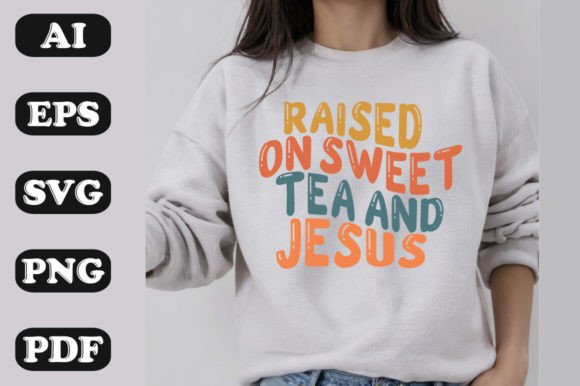
Raised on Sweet Tea and Jesús: An Embroidery Review
When I first opened the Raised on Sweet Tea and Jesús machine embroidery design, I felt that familiar mix of curiosity and expectation that every embroidery designer knows. The name alone signals a certain cultural warmth, a blend of Southern charm and personal faith that resonates with a wide audience. As someone who has stitched hundreds of designs for custom apparel, handmade gifts, and small business inventory, I have learned to spot potential trouble before the needle drops. This design, I was relieved to find, offers more than just a catchy phrase. It has a deliberate structure, a grounded personality, and a clear use case that makes it a solid choice for anyone running a craft business or creating personalized gifts.
First Stitch Impressions: Mood, Shape, and Visual Personality
The Raised on Sweet Tea and Jesús embroidery file carries a handwritten-style letterform that feels personal without being wobbly. The overall layout is balanced, with the words arranged in a way that draws the eye naturally across the design. The mood is nostalgic and grounded, like something you would see on a porch sign or a well-loved tote bag. There is a gentle contrast between the two phrases, with “Sweet Tea” offering a casual, familiar feel and “Jesús” adding a reverent, sincere note. That emotional range is hard to pull off in a single embroidery design, but this one manages it without feeling forced or gimmicky.
The spacing between letters is generous enough to keep the satin stitch and fill stitch areas from crowding each other. That matters. When you are stitching this onto a sweatshirt or a baby blanket, tight lettering can become a blur of thread. Here, the rhythm of the words works with the stitch density rather than against it. The design feels like it belongs on a soft cotton tee or a linen apron, not just a digital mockup. That visual personality makes it suitable for both personal projects and commercial embroidery work, especially for Etsy sellers who need designs that photograph well and connect with buyers emotionally.
Real-World Performance: Where This Design Shines
In my experience, the Raised on Sweet Tea and Jesús design performs best on medium-weight woven and knit fabrics. I tested it on a preshrunk cotton sweatshirt for a small shop product, and the results were clean. The lettering held its shape without puckering, and the thread colors popped against both a cream background and a heathered gray. The design also works well on tote bags, especially those made from cotton canvas or linen blends. The sturdy fabric supports the stitch density, and the finished product feels substantial.
For T-Shirt Designs, this embroidery file is a natural fit. It sits comfortably on the chest or upper back area without overwhelming the garment. I also tried it on a toddler onesie for a baby embroidery project, and the scale worked beautifully. The letters are large enough to read clearly but not so large that they look bulky on a small item. If you are making personalized gifts for a holiday or a wedding, this design carries emotional weight without needing extra embellishment. It stands alone well, which means you can pair it with a simple hoop or frame it as a finished embroidery piece for nursery decor.
For craft business owners, the commercial appeal is strong. The design reads as both handmade and professionally polished. Customers who see a finished product with Raised on Sweet Tea and Jesús stitched across the front tend to respond with recognition and warmth. That matters when you are selling at a craft fair or listing on Etsy. The design also adapts well to printable mockups. When I created digital product previews for my online shop, the design showcased clearly on both light and dark backgrounds, which makes it easier for customers to imagine the finished product in their own hands.
Where to Use Caution: Fabrics and Hoop Sizes
No design is perfect for every surface. With Raised on Sweet Tea and Jesús, I recommend caution on certain fabrics and curved surfaces. Thin or stretchy materials, like lightweight jersey or performance knits, may shift during stitching and cause the lettering to distort. If you are working with a stretchy fabric, pair the design with a cut-away stabilizer and test a sample first. Dark fabrics also require attention. The thread colors in this design, especially if you are using a light thread, need a good contrast base. A white or cream thread on a black shirt works fine, but a medium tone on a dark navy may disappear. I always tell my students and fellow Etsy sellers to check the design in both black and white mockups before committing to a final thread palette.
Curved surfaces like caps and hats present another challenge. The lettering has a horizontal flow that works best on flat or gently curved items. On a structured cap, the corners of the design may pull or distort. If you are planning a cap embroidery project, consider reducing the hoop size slightly or repositioning the design to a spot with less curvature. For pillow covers and tea towels, the design is excellent, but be aware of the fabric texture. Towels with thick loops can catch the thread, so a water-soluble topping stabilizer is almost required. Dense stitch areas in the lettering may also create stiffness, which is something to keep in mind for baby items that need to stay soft after washing.
Visual Appeal and Buyer Engagement
When I evaluate a design for my own shop, I think about how it will affect the customer’s experience from the moment they see the listing to the day they unwrap the finished product. The Raised on Sweet Tea and Jesús design has a strong visual identity that translates well into product photography. It looks authentic without trying too hard. That authenticity builds trust. Buyers who are searching for faith-based or Southern-inspired gifts are often looking for something that feels honest, not mass-produced. This design delivers that.
In terms of recognition, the design is memorable. The combination of “Sweet Tea” and “Jesús” creates a cultural touchpoint that many customers will recognize immediately. That makes it a strong option for boutique merchandise and small shop branding. I have seen similar designs perform well in giftability categories, meaning customers buy them for others, not just themselves. Wedding gifts, holiday presents, and housewarming items all benefit from that sense of shared meaning. The design also encourages buyer engagement through customization. Customers may ask for specific thread colors or placement changes, which adds value to your handmade product and builds loyalty.
Practical Notes for the Embroidery Designer
Before you load this embroidery file into your machine and start stitching, here are a few things I have learned through direct testing.
- Test on scrap fabric first. Even if the design looks perfect on screen, fabric behavior varies. A quick test run on a piece of cotton muslin can save you a ruined garment.
- Check thread color contrast. The design works best when the lettering stands out from the background. If you are stitching on a dark fabric, consider a lighter thread color to maintain readability. If you are stitching on a light fabric, a darker thread will give you that crisp, professional look.
- Review stitch density. The fill stitch and satin stitch areas in this design are balanced, but if you are using a dense fabric or a thick stabilizer, you may need to adjust tension slightly. A small change can prevent the fabric from puckering.
- Confirm hoop size. The design is sized for standard hoops, but always double-check your particular embroidery file dimensions against your hoop capacity. Nothing wastes time like a design that is a quarter inch too wide.
- Inspect small details. The letters in “Jesús” are well-formed, but the accent mark and the tail of the “s” deserve a close look. If your machine has a tendency to skip narrow stitches, you may need to slow down the stitching speed for that section.
- Use proper stabilizer. For most cotton and cotton-blend garments, a medium-weight cut-away stabilizer works best. For towels or fleece, add a water-soluble topping to keep the stitches crisp.
- Test black and white mockups. I always preview a design in monochrome before finalizing thread colors. This helps me see the structure clearly and identify any areas where the stitch density might create unintended bulk.
- Confirm licensing before selling. If you plan to use this design for commercial embroidery projects, whether you are selling finished products or digital embroidery file copies, make sure you understand the usage rights. Most designers allow you to sell items made from their designs, but restrictions can apply. Check the terms for handmade product sales, custom apparel orders, and design assets redistribution.
One real-life scenario that comes to mind involves a custom order I took for a small shop product. A customer wanted a tote bag embroidered with Raised on Sweet Tea and Jesús as a gift for her mother. She planned to use it as a personalized gift for a church fundraiser. I stitched the design onto a cream-colored canvas tote with a dark brown thread. The final product had a clean, handcrafted feel that the customer loved. She later sent me a photo of the bag in use at the event, and I noticed how clearly the design read even from a few feet away. That is the kind of real-world performance that matters for handmade product businesses. The design earned trust, looked professional, and served its purpose without any stitching surprises.
Final Thoughts on This Design for Your Embroidery Project
The Raised on Sweet Tea and Jesús machine embroidery design is a thoughtful addition to any collection of applique design or lettering files. It works well for sweatshirt embroidery, tote bag design, baby embroidery, pillow cover projects, tea towel gifts, and holiday embroidery items. It also holds its own as a standalone piece for personalized gifts and craft business inventory. For Etsy seller looking to expand their offerings, this design gives you a strong base for handmade product listings and design assets that resonate with a specific audience.
If you are working on a commercial embroidery project or a small shop product, take the time to test your fabric, thread, and stabilizer combination. The design is flexible, but every embroidery project benefits from a little preparation. I recommend keeping this file in your active folder for custom orders, seasonal offerings, and boutique merchandise. It is the kind of design that earns a permanent spot in your rotation. When you stitch it well and present it with care, customers notice the difference. That is what keeps people coming back to your shop, whether you are selling finished products or digital files for others to create their own finished product.